
Wildlife Photographer of the Year 2026.
I was delighted to be asked once again to create the specially commissioned trophies for the grand title winners of the prestigious Natural History Museum Wildlife Photographer of the Year competition.

The first time I was asked to create trophies for the competition was back in 1998. I had only recently finished at art college and jumped at the opportunity to be part of the biggest wildlife photography competition in the world. That first year my trophies were presented by Sir David Attenborough himself. What an honour that was.
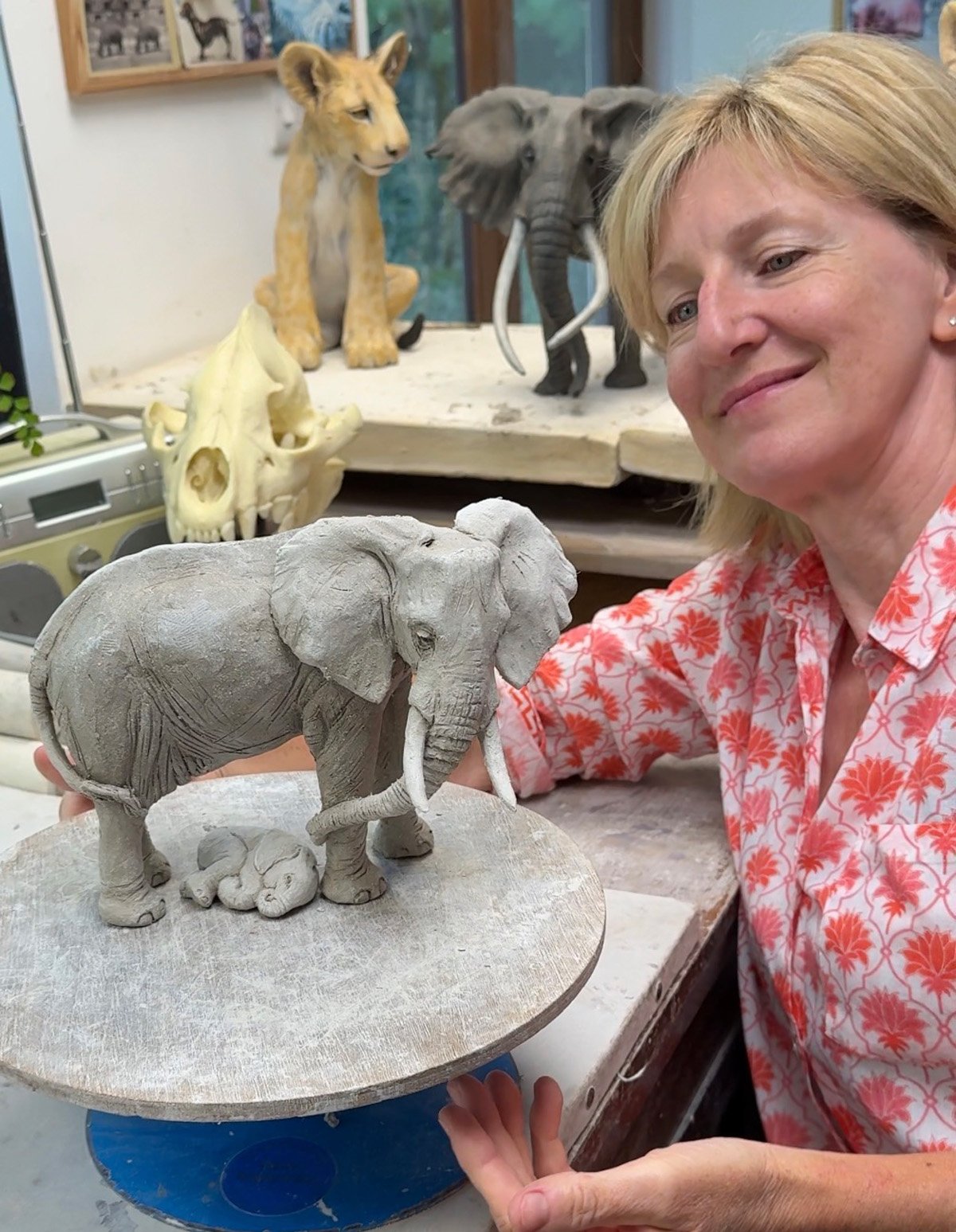
A Labour of Love
Sculpting one of the winning images for this year’s specially commissioned trophies
For the first eight years I made trophies for two of the category winners, the Gerald Durrell and Eric Hosking awards. Then in 2006 I was given the honour of creating the specially commissioned trophies for the grand title winners. Apart from a brief hiatus, I’ve been making trophies based on the animals in the winning image ever since. I never know what the animal is going to be, of course. Some are more challenging than others, as you can imagine.
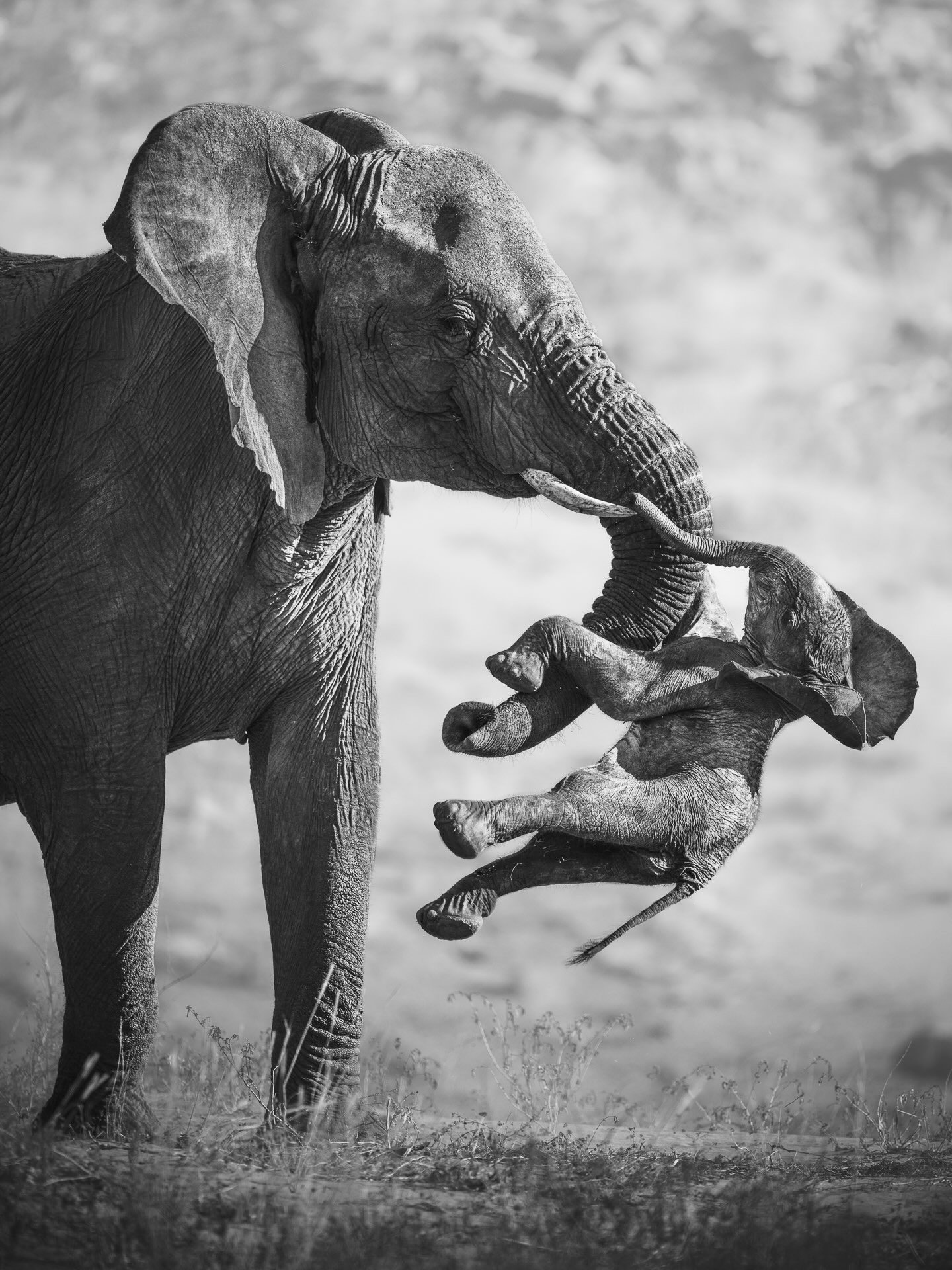
Frederico Veronesi’s winning photograph, a powerful and poignant image, gave me a challenging subject to interpret in clay
This year Federico Veronesi’s winning photograph depicted a grieving female elephant carrying her dead calf by the trunk. It’s a powerful and poignant image dealing with a sensitive topic. I wasn’t keen to reproduce the same tragic story in clay. We agreed instead to introduce some ambiguity, by placing the calf beneath its mother. In this way we felt the trophy would serve as a celebration of both the winning image and the special bond between mother and calf.
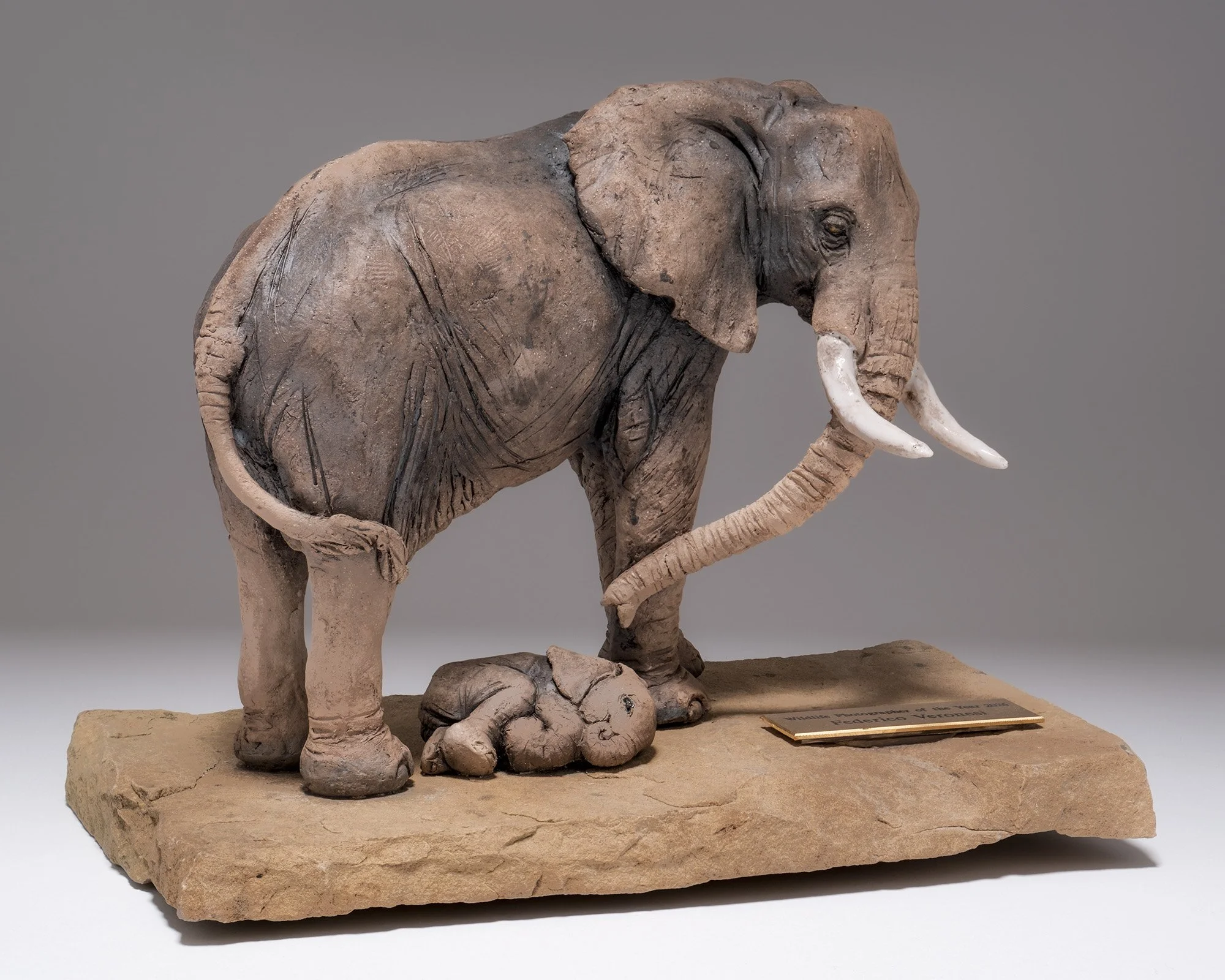
Anyone familiar with the original photograph would understand the reference, whilst the trophy itself deals in a more nuanced way with the familial ties between adult elephants and their young. Is the calf simply sleeping? The mother clearly expresses anxiety and concern, checking her calf with touching concern. The story is not only hers. It’s the story of life and death and loss on the African plains. The sculpture was Raku fired and mounted on a natural stone plinth to reflect the wild and rugged landscape of Africa.
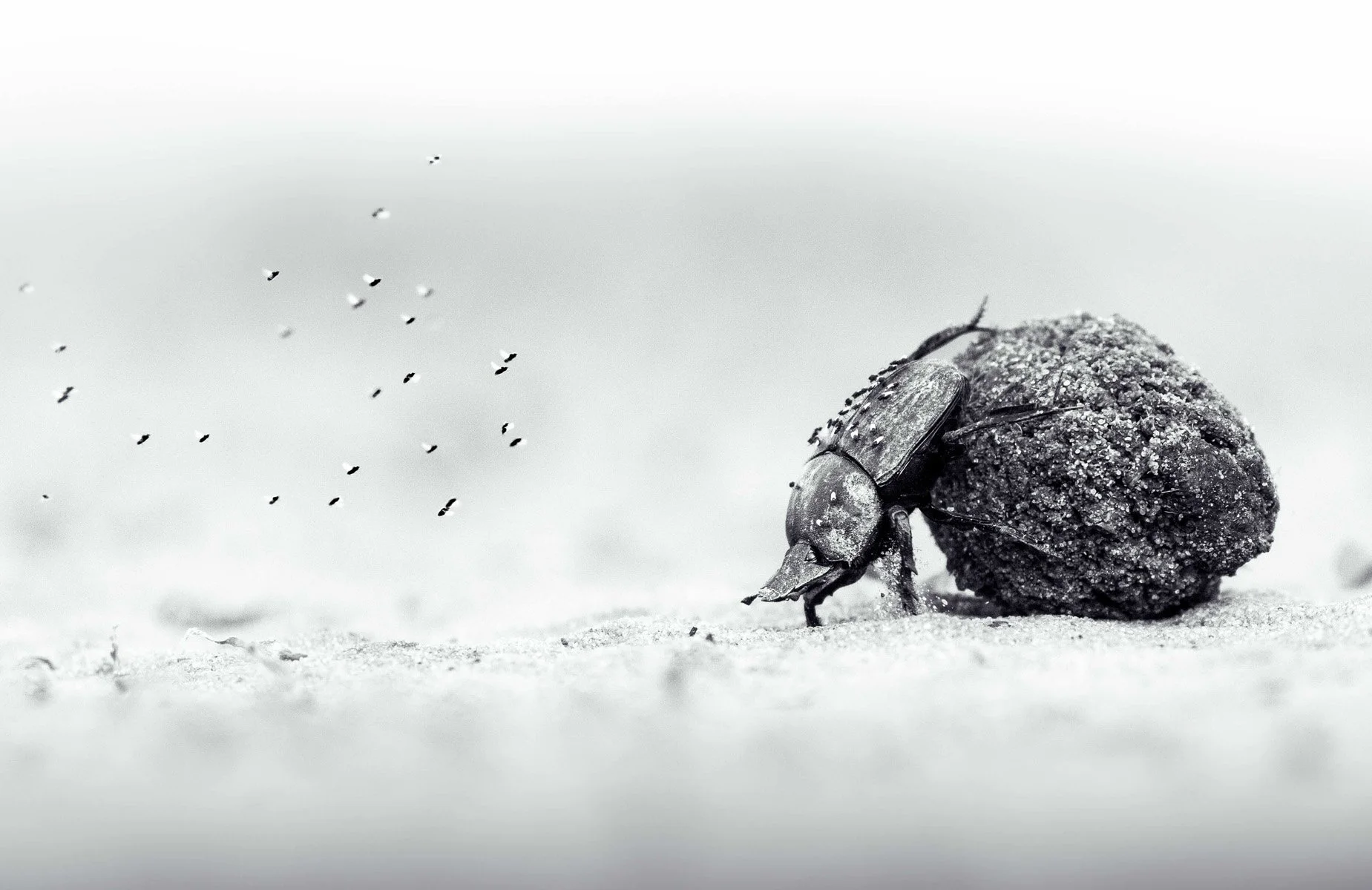
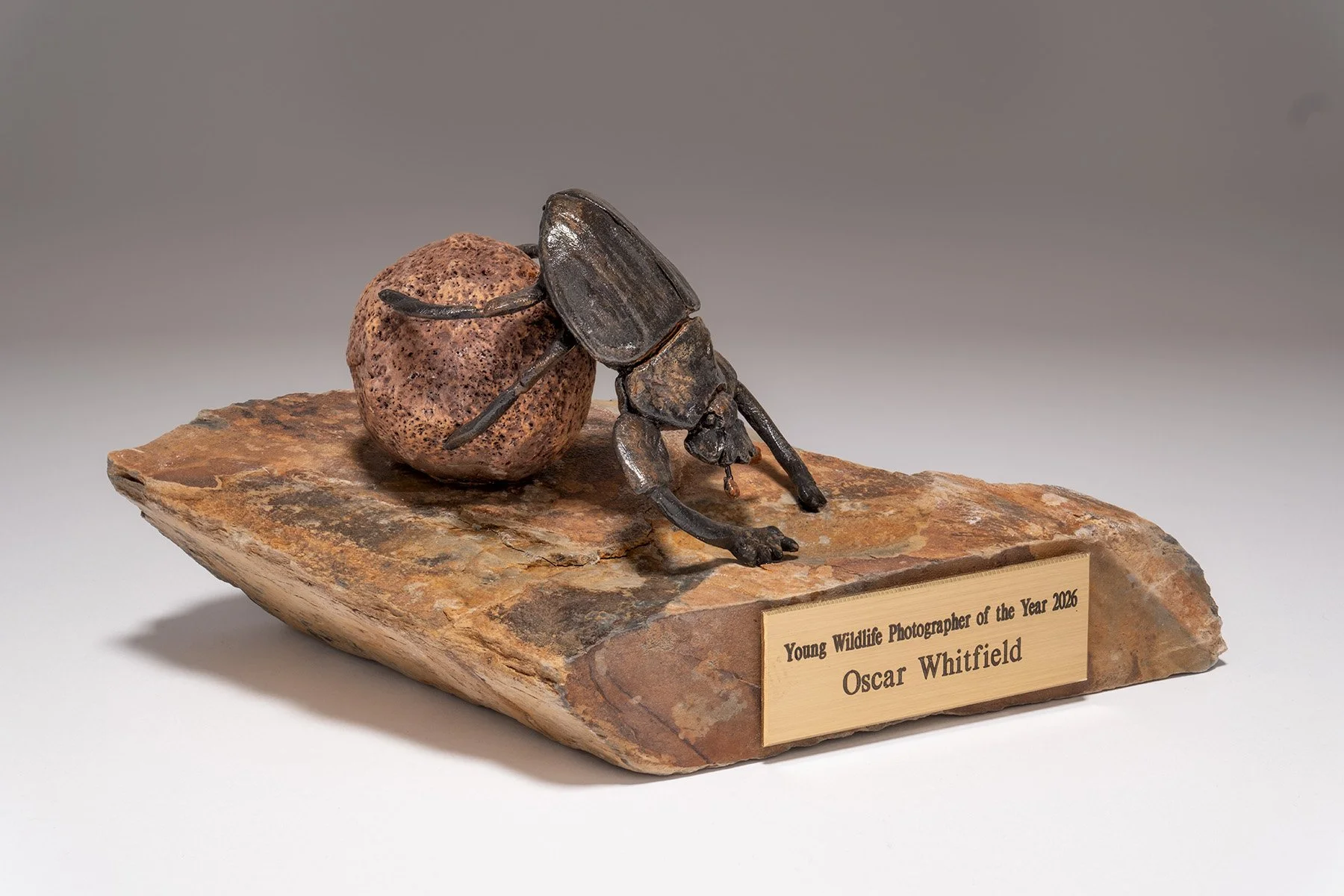
Oscar Whitfield’s photograph of a dung beetle secured him the title of Young Wildlife Photographer of the Year 2026
Oscar Whitfield won the Young Wildlife Photographer of the Year trophy with his striking photograph (above) of a dung beetle. I’ve spent my fair share of time on numerous safaris watching dung beetles at work. They’re fascinating creatures, and I was really excited to have this opportunity to sculpt one. Luckily, dung beetles are quite large so I didn't have to scale it up very much. I carefully modelled all the body details, taking care to ensure correct anatomy and articulating parts. The finished sculpture was fired in a kiln along with the dung ball. I then created the wire legs and bobbly antennae. I later combined the beetle with the dung ball and mounted it on a dramatically angular piece of local slate.
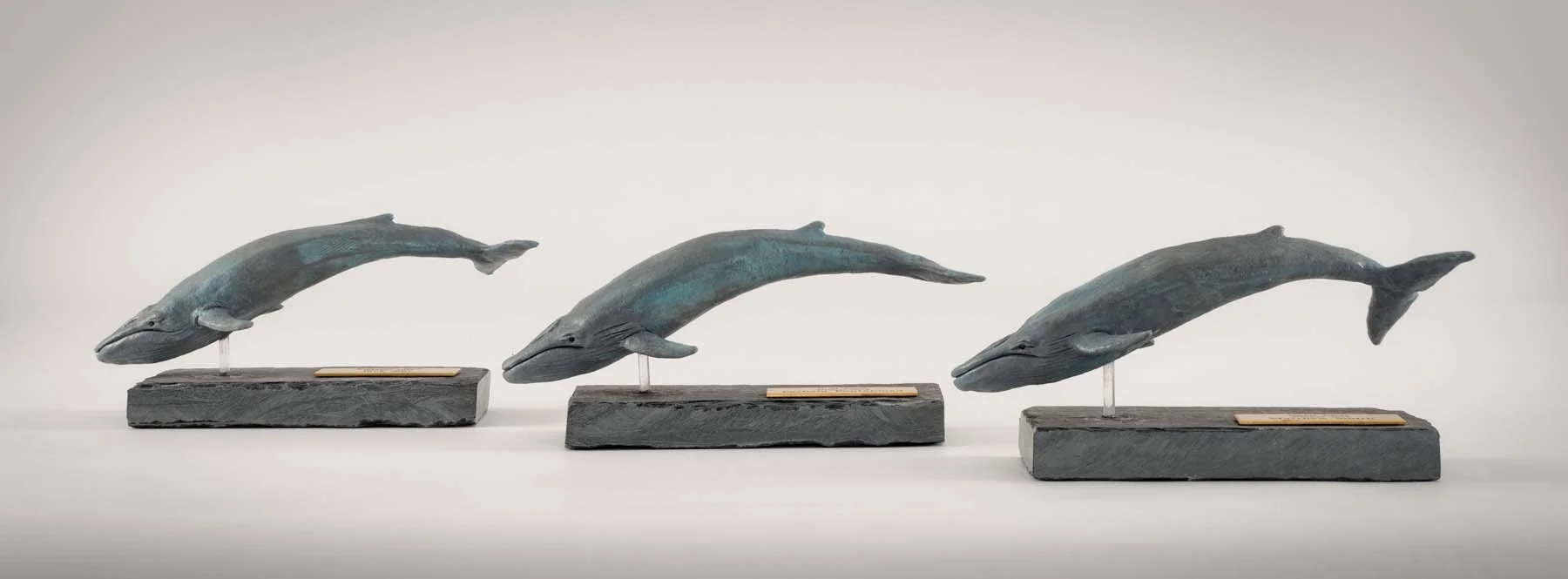
As well as creating the winners’ trophies, I also made 20 whale trophies for all of the category winners. Federico Veronesi, who won the adult competition, also picked up two whale trophies in the category sections, so he goes home with quite a haul!
Find out more and see all the winning images by visiting the Wildlife Photographer of the Year webpage.
